
 By Adri
Intel has resolved one of the major questions surrounding its upcoming Nova Lake processors.
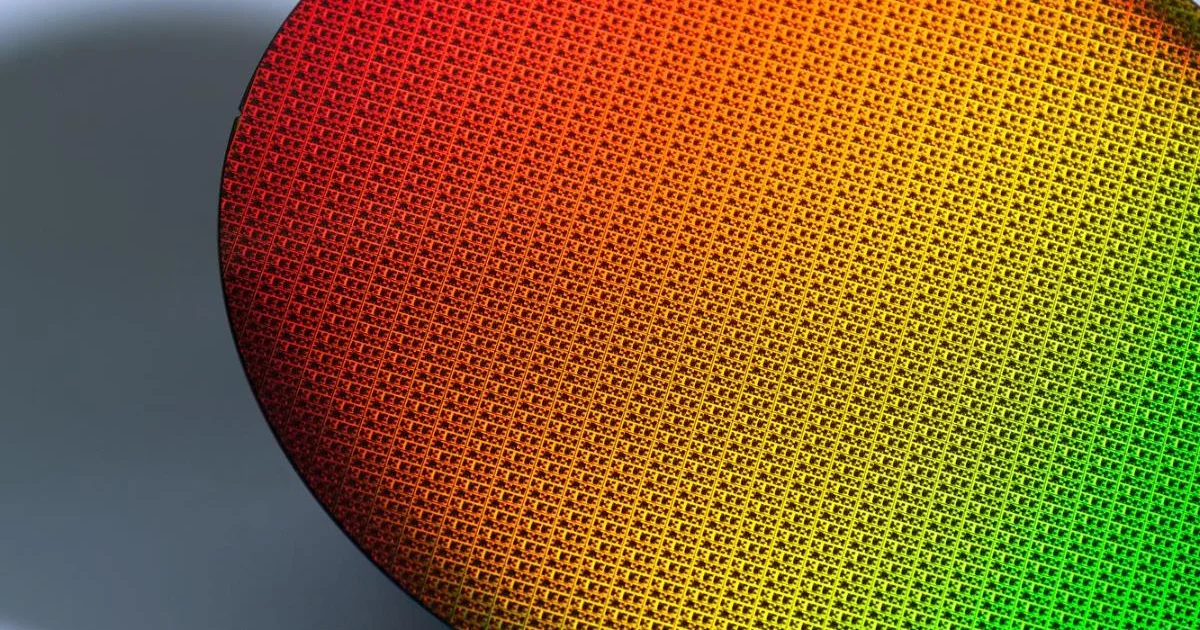
The company's next client generation will use Intel 18A-P, an enhanced version of the manufacturing process already associated with its Panther Lake platform.
CEO Lip-Bu Tan confirmed the connection during Intel's third-quarter earnings call and said the program was progressing ahead of its internal schedule.
The announcement is an important step for Intel's manufacturing strategy. However, it should not be confused with a full processor launch.
Intel has not yet published final performance results, complete product specifications, retail prices or a confirmed sales date.
Nova Lake will be Intel's first 18A-P client product
The 18A-P process is the first performance-oriented enhancement of the Intel 18A manufacturing family.
It introduces changes in transistor behavior, internal electrical connections and design optimization.
These manufacturing improvements are separate from the architectural changes that may appear in the finished Nova Lake processors.
This distinction matters because a modern CPU can contain multiple silicon tiles manufactured using different processes.
Intel has not specified which Nova Lake tiles will use 18A-P or where every component will be produced.
Confirmation of the process therefore does not establish that the entire processor will be manufactured internally using a single technology.
It also does not settle the role that external foundries might play in the final product.
18A-P has already entered risk production
Intel Foundry announced on June 16, 2026 that its 18A-P process had entered risk production.
Risk production is an industrial validation stage preceding fully established high-volume manufacturing.
It does not imply that every product designed for the process is already available commercially.
Intel emphasizes that 18A-P remains design-rule compatible with Intel 18A.
That compatibility may allow existing intellectual property and design workflows to be reused.
Reducing the engineering changes required between process variants can help with development efficiency.
It does not eliminate the need to validate each processor design or to achieve acceptable manufacturing yields.
Process improvements are not Nova Lake benchmarks
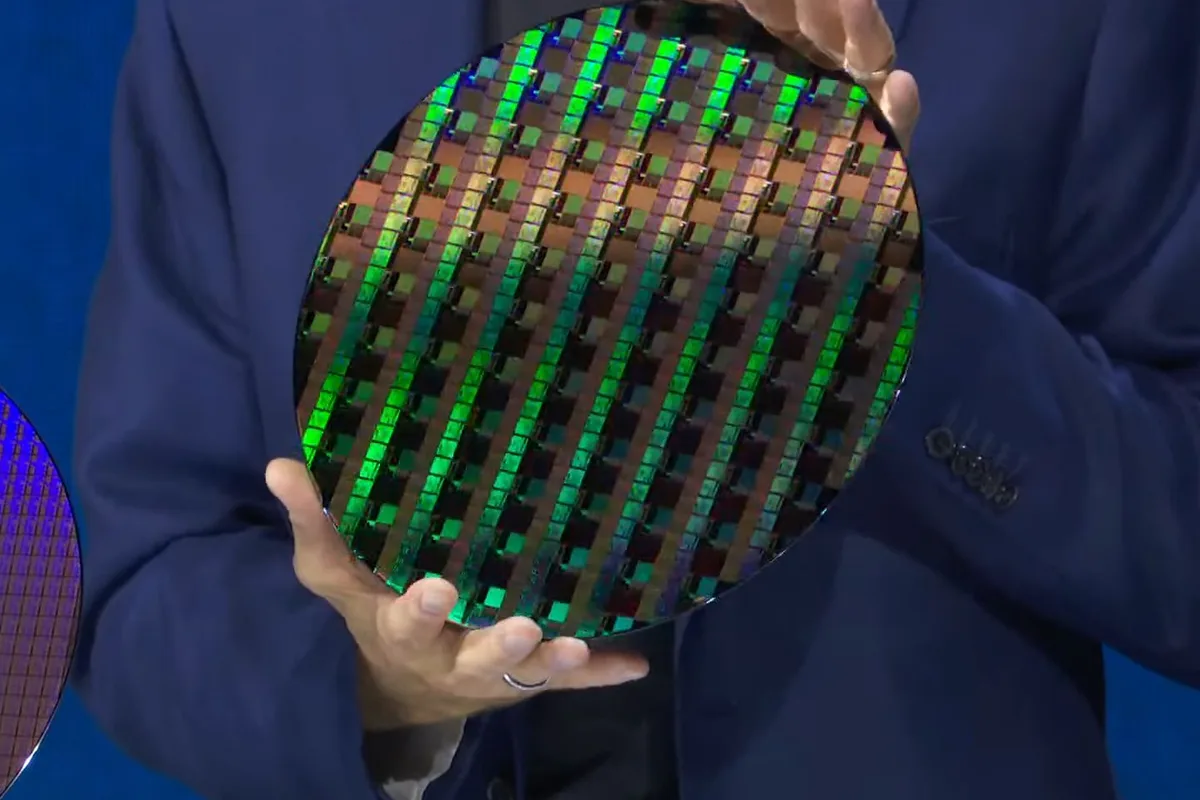
Intel claims that 18A-P offers up to 9% higher performance at equivalent power compared with 18A.
Alternatively, the company claims up to 18% lower power consumption at equivalent performance.
These figures describe different operating conditions for the manufacturing process.
They cannot simply be combined into a single universal improvement.
More importantly, neither figure is a measured Nova Lake processor benchmark.
The performance of a finished CPU depends on architecture, cache design, clock speeds, memory, power limits and cooling.
It would therefore be misleading to claim that Nova Lake gaming performance will improve by exactly 9% or that every computer using the chips will consume 18% less power.
The manufacturing figures indicate the potential of the process under Intel's test conditions.
Actual processor improvements will need to be measured independently.
Thermal and electrical improvements are part of the process update
Intel also describes improved thermal characteristics for 18A-P.
Its June technical presentation claimed a 20% to 40% improvement in thermal resistance under the conditions evaluated.
The company also reported 10% to 30% lower resistance in certain vertical electrical connections.
These changes can help chip designers manage power delivery, heat movement and electrical losses.
Another addition is Power Boost, a transistor option designed to improve drive current and frequency characteristics.
These improvements do not establish the cooling requirements of a finished Nova Lake desktop processor.
System power consumption and thermal behavior will depend on the final chip design, packaging and computer configuration.
More Nova Lake details are expected at CES 2027
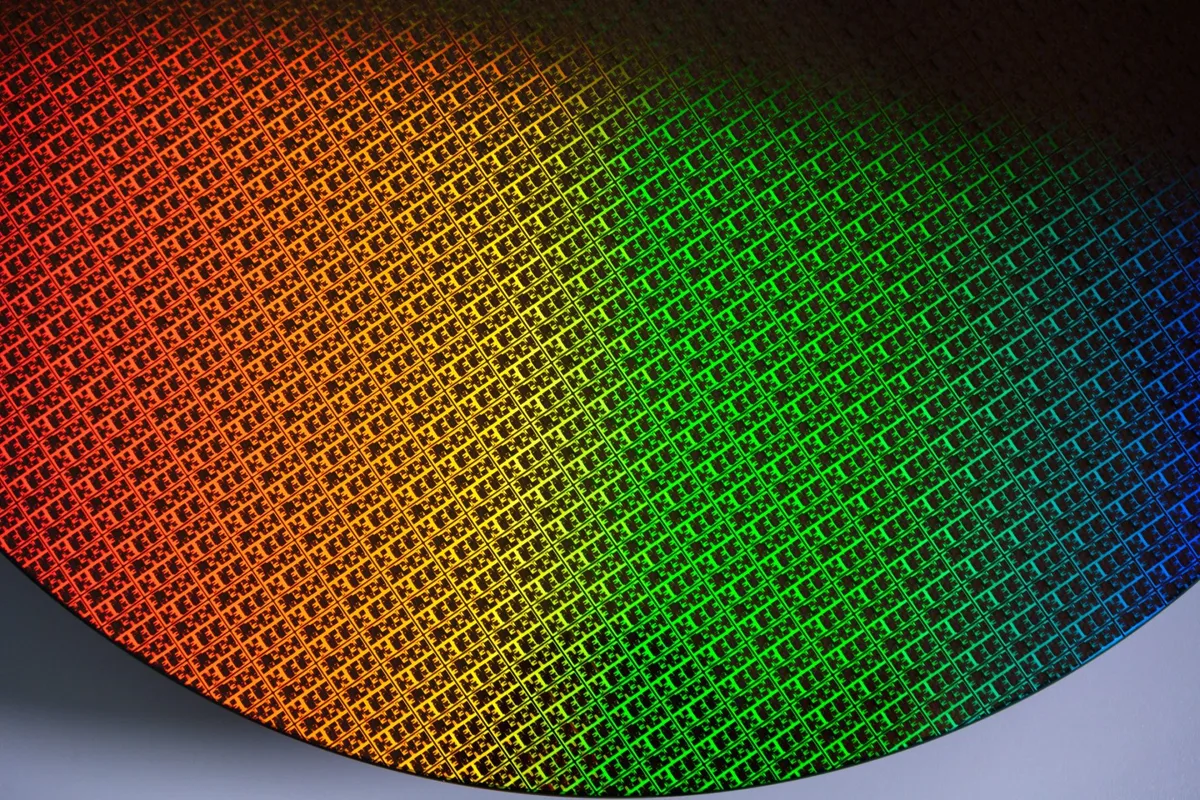
Intel plans to reveal additional information about Nova Lake at CES in January 2027.
That is a commitment to provide more details, not a confirmed retail launch date.
The company has not announced complete model configurations, pricing or availability.
Several detailed specifications circulating online remain based on leaks and unofficial reports.
Rumored core counts, cache configurations and platform characteristics should not be treated as official simply because Intel has now confirmed its manufacturing process.
A clearer picture should emerge when the company presents the actual products and supporting technical data.
Twice as many design wins is a commercial forecast
Intel expects Nova Lake to achieve approximately twice as many design wins at launch as Panther Lake.
A design win generally means that a hardware manufacturer has selected a component for inclusion in a planned product.
It can indicate customer interest and potential adoption.
However, design wins are not the same as processor shipments, unit sales or application performance.
The forecast does not mean Nova Lake will deliver twice Panther Lake's computing power or twice its gaming frame rates.
Nor has the projected number of design wins already been achieved.
Actual adoption will depend on PC manufacturers, product schedules and customer demand.
Intel wants to strengthen its position in high-end desktops
Intel executives have acknowledged gaps in the company's recent high-end desktop portfolio.
Nova Lake is intended to improve its competitive position in that segment.
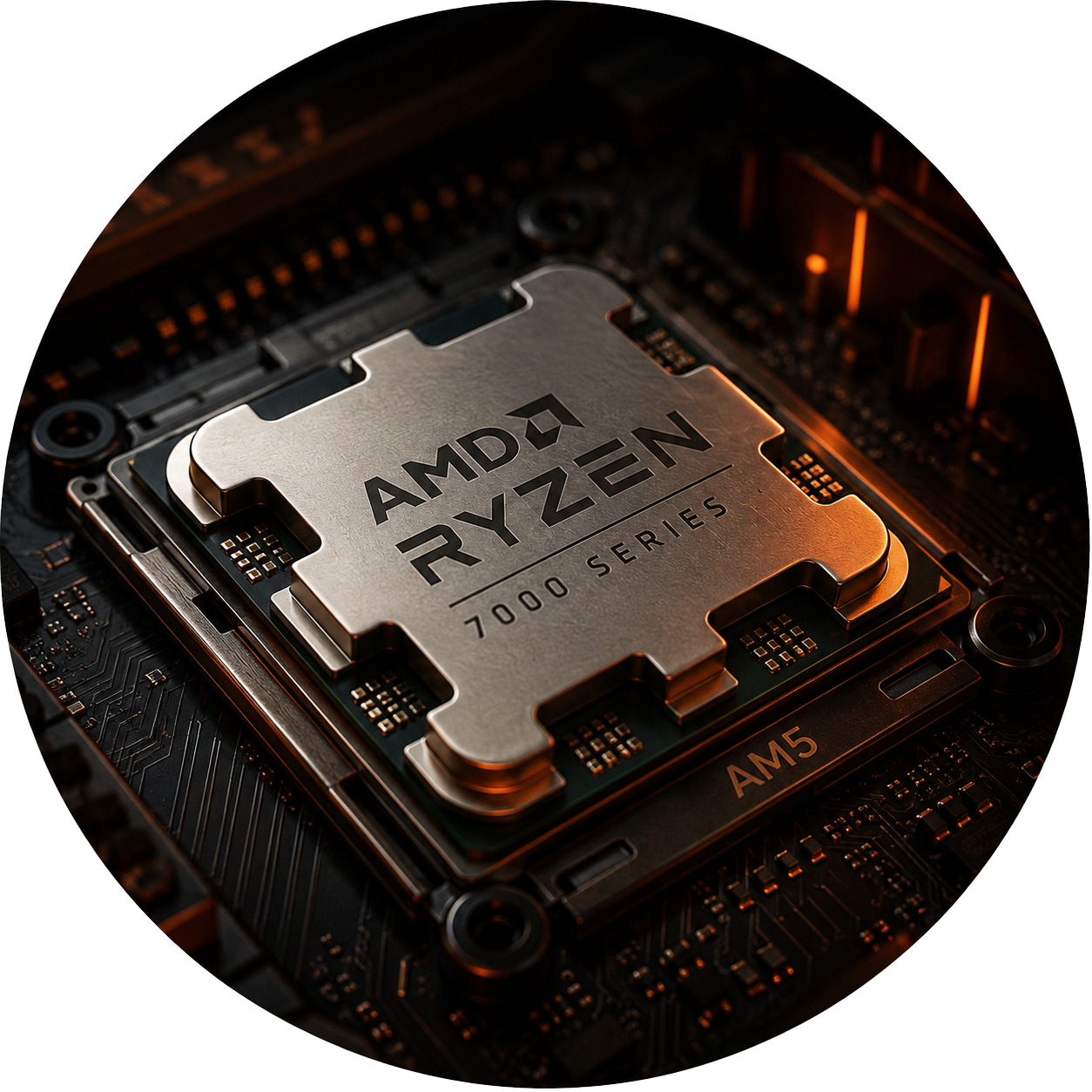
The challenge includes AMD's Ryzen processors, particularly models using additional 3D-stacked cache.
Gaming performance can depend heavily on cache behavior, memory latency and per-core efficiency.
However, Intel has not provided complete official comparisons between Nova Lake and relevant AMD processors.
Any claim of a confirmed performance victory would be premature.
The real comparison will require independent testing of final products under equivalent conditions.
Memory prices are creating difficulties for the PC market
Intel's earnings call also highlighted a challenging environment for computer manufacturers.
The company said rising memory prices and availability constraints are putting pressure on PC demand.
System manufacturers are managing inventories more conservatively as customers face higher hardware costs.
This matters for Nova Lake because processor performance is only one factor influencing a purchasing decision.
The price of memory, motherboards and other components affects the total cost of building or buying a computer.
A strong processor launch may still face commercial obstacles if complete systems become significantly more expensive.
Intel expects near-term market conditions to remain challenging until memory supply and pricing begin to normalize.
That is management's outlook rather than a guaranteed forecast.
18A-P matters to Intel Foundry as well
Nova Lake could provide another demonstration of Intel's advanced manufacturing capabilities.
The company wants Intel Foundry to attract external chip designers alongside producing Intel's own processors.
Management says engagement with potential customers for 18A-P is progressing.
Such discussions should not automatically be treated as confirmed high-volume manufacturing contracts.
Producing a competitive internal processor could strengthen confidence in the process.
Nevertheless, external foundry customers evaluate manufacturing yield, cost, design tools, packaging options and reliable capacity commitments.
Successful deployment in one Intel product would be encouraging but would not guarantee widespread third-party adoption.
The critical questions remain unanswered
Intel has confirmed the key manufacturing direction for Nova Lake.
The company also says development is ahead of schedule and plans to share more details at CES.
What remains unknown is equally important: final configurations, retail availability, actual power consumption, application performance and pricing.
Another major question concerns which individual processor components will use Intel 18A-P.
For buyers, the eventual decision will depend on measurable performance, platform cost, energy efficiency and availability.
For Intel, the challenge is broader.
Nova Lake must help restore competitiveness in premium PCs while demonstrating that the company's latest manufacturing technology can support commercially successful products.
The October confirmation is a meaningful industrial milestone. The performance and market outcome have yet to be demonstrated.