
 By Kilam
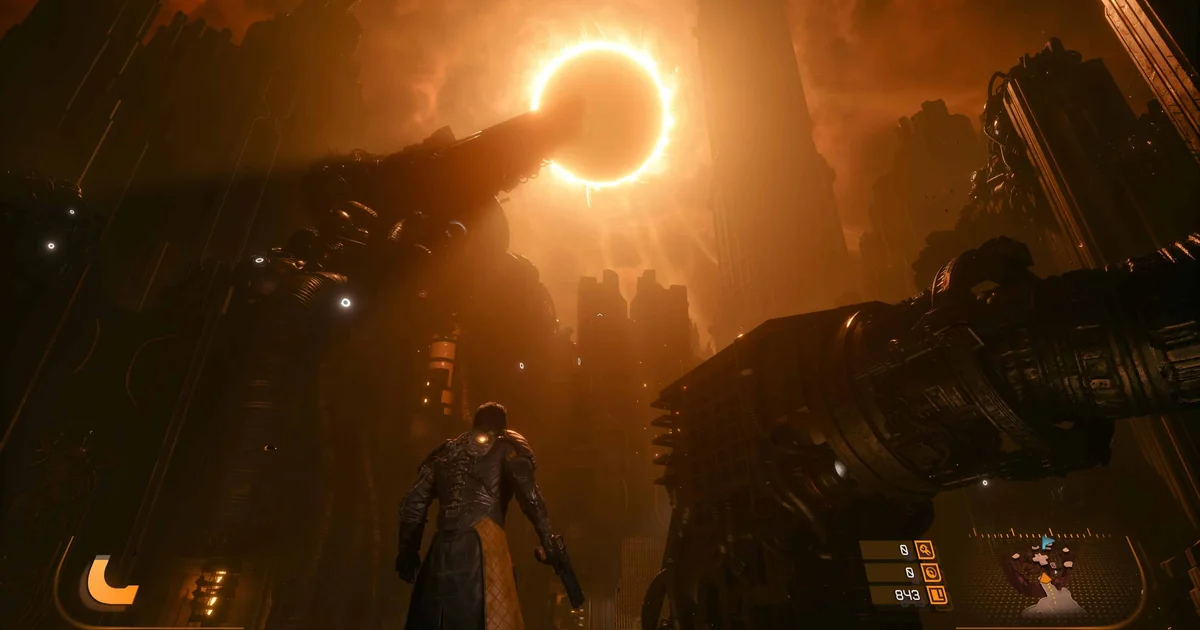
Sound reflections are heavily influenced by the surrounding space. A voice in a narrow passage behaves differently from one in an open chamber, and materials change how acoustic energy is reflected or absorbed.
Saros uses PS Acoustics to model aspects of that behaviour in real time. In an October 27 technical article, PlayStation Studios audio supervisor Loïc Couthier described how Housemarque combined this technology with Tempest 3D Audio, Dolby Atmos mixing and DualSense haptics.
The ray tracing described here concerns acoustics, not the simulation of light used in graphics rendering. The two applications share a broad tracing concept but address different physical phenomena.
Real-time reflections and environmental acoustics
PS Acoustics calculates reverberation and sound reflections, while also accounting for obstruction and occlusion. The system considers the acoustic properties of surfaces, allowing sounds to interact with the environment rather than relying entirely on fixed effects.
According to PlayStation, voices belonging to Arjun, enemies and members of the Echelon IV crew can be reflected by nearby walls. The resulting sound changes according to the material absorption characteristics of the surroundings.
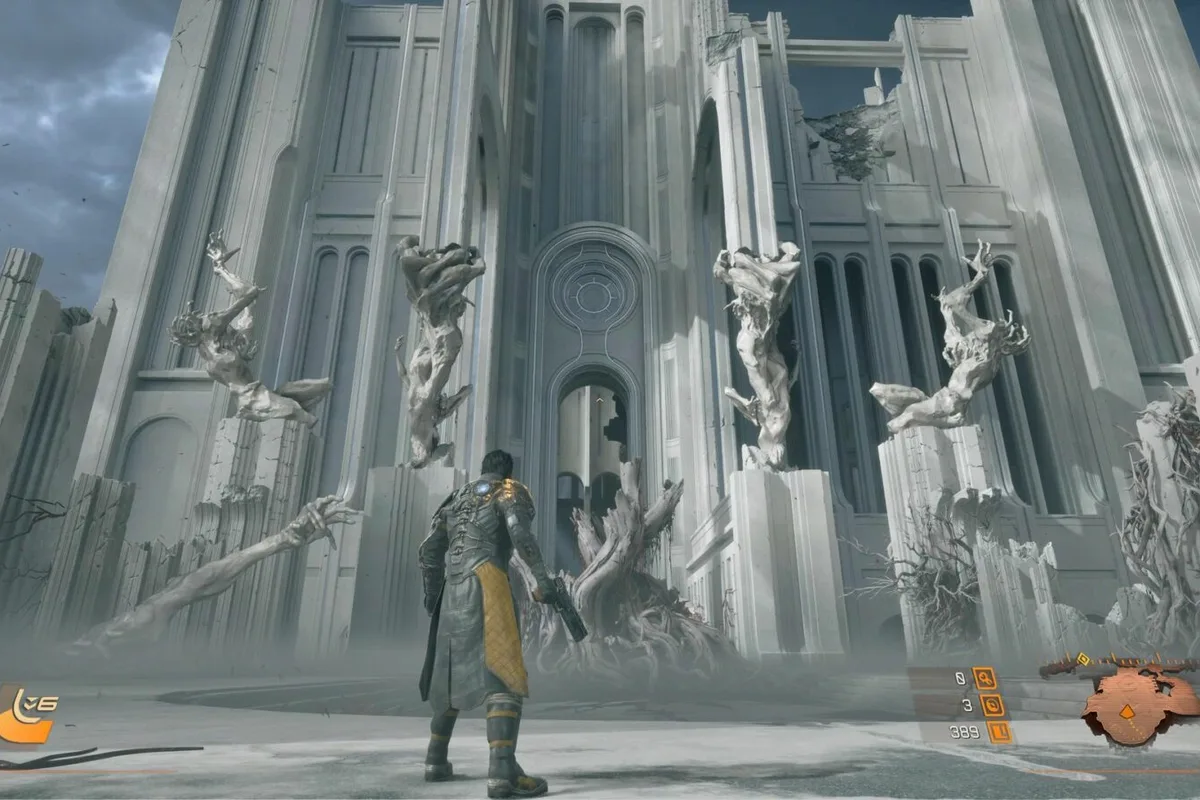
Housemarque highlights an area called the Passage, where the shape and construction of the environment contribute to a distinctive reverberation profile.
The official explanation establishes the system's purpose and general operation, but it does not reveal its ray count, detailed acoustic algorithms, CPU workload or any hardware acceleration requirements.
There is consequently no basis for assigning a precise performance cost to PS Acoustics from this presentation alone.
A spatial audio system built around combat information
Tempest 3D Audio provides a spatial presentation for enemies, projectiles and environmental details. In Saros, threats can approach from behind, above or outside the visible scene.
Precise positioning alone is insufficient when dozens of events occur simultaneously. Housemarque therefore uses several prioritisation layers to keep relevant combat sounds audible.
Enemy audio is evaluated using threat level, distance, visibility and combat state. Projectiles receive comparable treatment, with grouping based on their category and proximity.

Normal, Corrupted and Nova projectiles also use different sound families. Blue attacks have electrical and liquid characteristics, while yellow attacks draw on the game's didgeridoo-derived Corruption language. Red attacks incorporate processed human screams.
These distinctions make audio part of the feedback system rather than a purely decorative layer. Their effectiveness depends on the final mix preserving the relevant cues when the action becomes intense.
Dolby Atmos and the final mix
Housemarque also designed Saros for Dolby Atmos playback, taking particular care with the vertical structure of its environments and the positional information conveyed during combat.
The team regularly worked in Atmos throughout production and completed the final mix at Abbey Road Studios.
Tempest 3D Audio and Dolby Atmos serve related but distinct roles within the overall presentation. The former contributes to spatial processing on the PlayStation platform, while the latter is part of the supported immersive audio playback and mixing approach.
PlayStation has not supplied comparative localisation accuracy measurements or audio processing latency figures in the October 27 presentation.
Haptics extend the interface beyond the screen
DualSense haptics were developed alongside sound effects from the beginning of production. The controller communicates physical interactions, weapon behaviour and selected narrative events through tactile feedback.
One example involves ammunition levels. When a bullet-based weapon approaches an empty magazine, its haptic frequency changes, providing a secondary indication of weapon state.
That could reduce the need to look directly at the ammunition indicator during combat, although the studio has not published measurements demonstrating a change in reaction time or player performance.
Saros also includes several audio customisation features. Dialogue Priority can increase dialogue prominence or clarity, high-pitched ringing can be reduced, and combat and exploration music can be adjusted separately.
Bass, treble and dynamic range controls provide further adaptation for different listening environments. The options were designed in collaboration with PlayStation's accessibility specialists.
Saros launched on PlayStation 5 on April 30, 2026. The October 27 article is a technical retrospective about its existing audio technology, not an announcement of an additional sound engine update or new hardware support.