
 By Adri
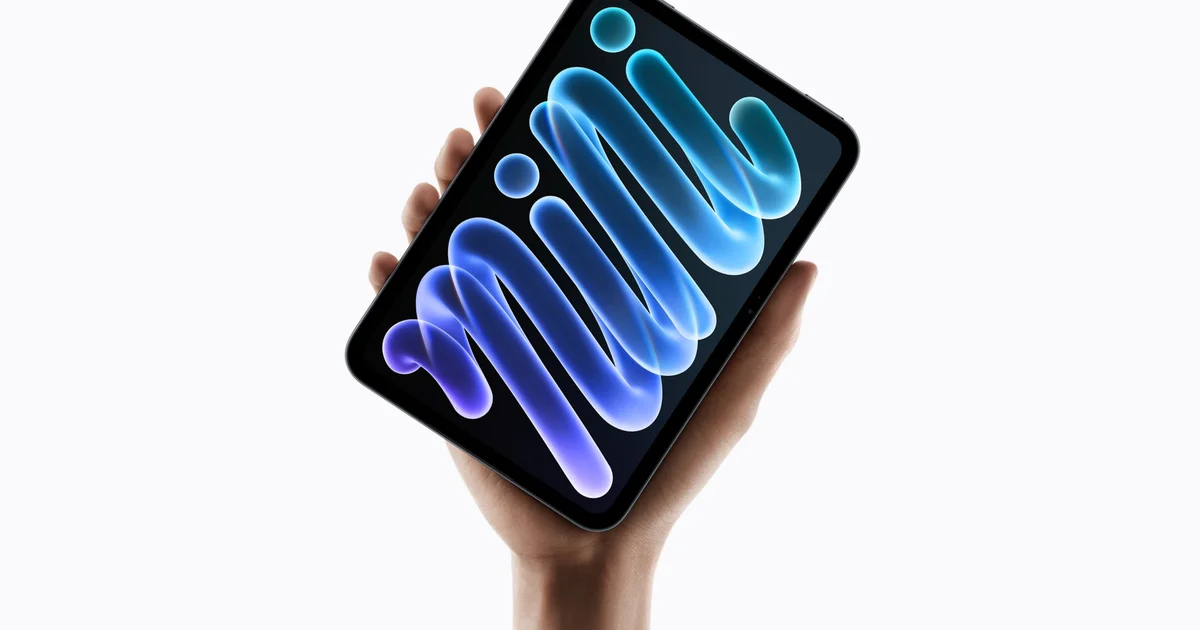
The iPad mini has spent years occupying an unusual position in Apple's tablet lineup. It is compact enough to hold in one hand but increasingly expected to run the same demanding software as much larger devices. The 2026 redesign addresses several long-standing hardware limitations, beginning with the display.
Apple has replaced the 8.3-inch LCD with a larger OLED panel, introduced an A20 Pro processor built using a 2nm manufacturing process and reduced the chassis to 5.4mm. The device also becomes Apple's first iPad mini with IP67-certified water and dust resistance.
One specification has not followed the broader upgrade. Despite the new GPU and high-end display technology, the panel continues to operate at 60Hz rather than introducing ProMotion.
OLED brings better contrast, brightness and a slightly larger screen
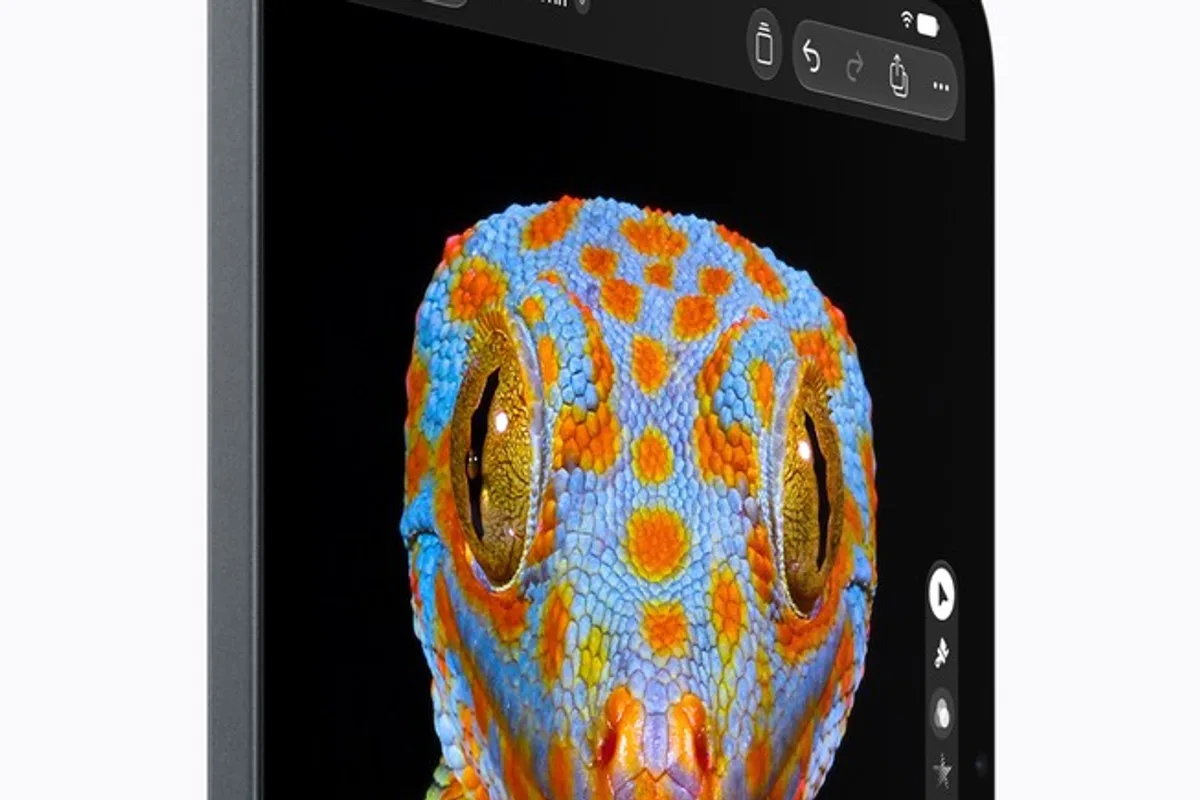
The new 8.5-inch Super Retina XDR display fits inside a chassis with a footprint similar to its predecessor, helped by bezels that Apple says are 24 percent thinner.
The OLED panel controls light at the pixel level, allowing it to produce deep blacks and a claimed contrast ratio of 2,000,000:1. Apple specifies 600 nits of full-screen brightness and up to 1,200 nits of peak HDR brightness, more than twice the peak figure associated with the previous generation.
A minimum brightness of one nit should also make the tablet more comfortable for reading in dark environments. Apple is offering an optional nano-texture finish on eligible 256GB and 512GB configurations for users who need additional glare reduction.
The absence of a higher refresh rate is still significant. ProMotion remains unavailable, so the device cannot display animation or games above 60 frames per second on its internal panel, regardless of how quickly its GPU may render individual frames.
This does not diminish the advantages of OLED for HDR video, contrast or color reproduction. It does, however, create an unusual mismatch between Apple's substantial graphics-performance claims and the capabilities of the integrated display.
A20 Pro changes more than CPU performance
Apple's A20 Pro is manufactured using its latest 2nm process technology and a packaging design inspired by the M-series family. The tablet includes a seven-core GPU with Neural Accelerators integrated into each graphics core.
Apple claims graphics performance up to 2.7 times faster than the previous iPad mini. The architecture supports hardware-accelerated ray tracing, mesh shading and Dynamic Caching, making it particularly relevant to modern rendering workloads and demanding iPad games.
The processor can provide up to six CPU cores, depending on configuration. Apple reports multithreaded performance improvements of up to 60 percent compared with the older model.
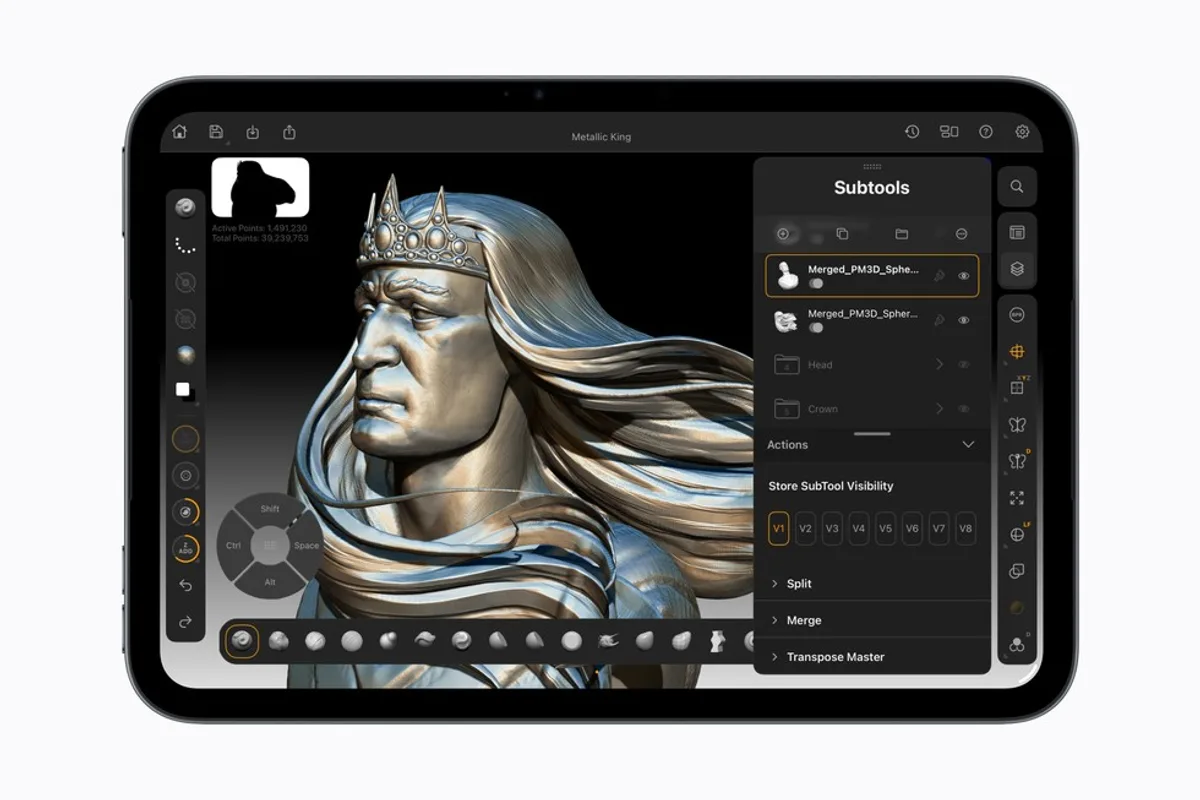
AI workloads receive an even larger advertised improvement, with Apple claiming up to 4.5 times the previous performance in selected tests. The 512GB configuration features a Dual 16-core Neural Engine, providing 32 neural processing cores and, according to Apple, twice the previous generation's neural processing capability.
The distinction between configurations matters. Buyers choosing the maximum storage option are not simply purchasing additional space; that model also benefits from a more substantial neural processing configuration.
Unified memory bandwidth is claimed to have more than doubled. That is potentially useful for local AI models, image processing and complex 3D applications, though the practical improvements will vary with software requirements, available memory capacity and thermal conditions.
All the performance figures disclosed at launch come from Apple's own testing, conducted in September 2026. They are not independent measurements of sustained gaming frame rates, rendering speeds or AI inference.
A thinner design with genuine water resistance
The new iPad mini measures only 5.4mm thick and comes in midnight and starlight finishes. Apple says the device is thinner and lighter than the previous model, maintaining the handheld portability that defines the product.
More importantly, IP67 certification adds protection against dust and temporary water immersion. Under the specified laboratory conditions, the rating covers immersion to a maximum depth of one meter for up to 30 minutes.
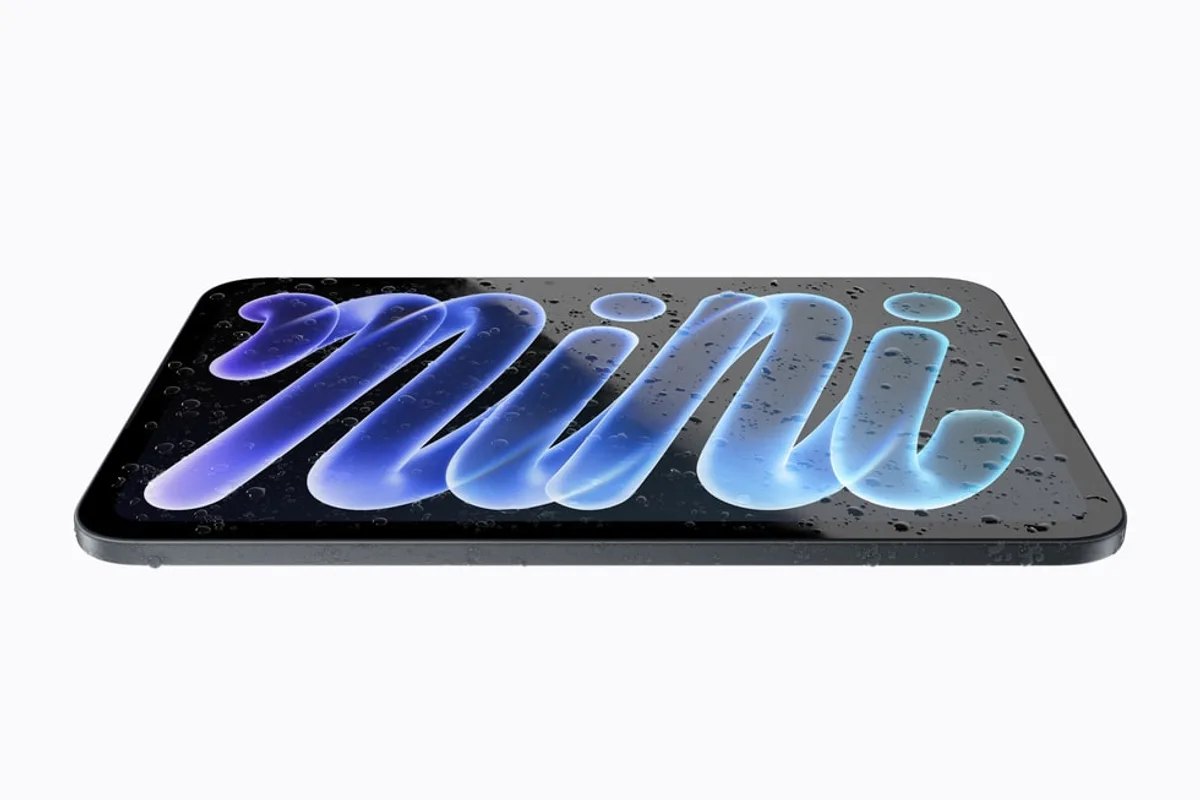
Apple cautions that water resistance may deteriorate with normal wear and that liquid damage is not covered by the standard warranty. It is a useful safeguard rather than a promise that the tablet can be used underwater without risk.
The redesign also introduces an Acoustic Display system. Specially designed woofers work with the display structure, while tweeters are concealed between the glass and aluminum enclosure.
This arrangement removes conventional speaker openings and contributes to the sealed construction. Apple promises stronger bass and higher volume, but audio quality will need to be assessed through independent listening tests.
N1 networking, C2 cellular and improved cameras
Apple's N1 networking chip brings Wi-Fi 7, Bluetooth 6 and Thread connectivity to the iPad mini. The company also claims improved wireless reliability, including better performance for AirDrop and AirPlay.
Cellular models use Apple's C2 modem, which is claimed to deliver up to 50 percent higher mobile data speeds than the previous generation while improving energy efficiency. Actual throughput depends on carrier networks and signal conditions.
The front-facing 12MP Center Stage camera has moved to the landscape edge, a more practical position for video calls when the tablet is placed horizontally. The rear 12MP wide camera supports 4K video recording at up to 60fps and includes an Adaptive True Tone flash for improved document capture.
Apple continues to quote roughly ten hours of battery life under its specified usage conditions. Fast-charging support is another addition, although demanding workloads may produce substantially different endurance.
The AI software story comes with regional restrictions
The tablet runs iPadOS 27 with Apple's next-generation Apple Intelligence features. A more capable Siri is intended to understand personal context, interpret onscreen content and handle more complex requests.
Availability is not uniform. Apple states that Siri AI is not currently available in the European Union on iPadOS, and some capabilities are still associated with beta software releases.
Certain cloud-based AI tools also operate with daily usage limits. Apple says expanded access may eventually require additional payment, separating the device's local processing capabilities from what users can access through Apple's online services.
The iPad mini continues to support Apple Pencil Pro and Apple Pencil USB-C. A redesigned TechWoven Smart Folio is available in navy blue and taupe.
A $699 starting price raises the expectations
US pricing starts at $699 for the Wi-Fi model and $849 for Wi-Fi plus Cellular. Storage options include 128GB, 256GB and 512GB. In Germany, the entry-level price is €749.
Preorders open on October 28, 2026, in 36 countries and regions. Apple plans to begin customer deliveries and in-store availability on November 6.
The new OLED panel, substantially stronger processor and more durable chassis make this a significant generational upgrade. The smaller format remains attractive for reading, mobile creativity, field work and portable gaming, but it comes at a price that overlaps with larger tablets.
For performance-focused buyers, the most important unanswered questions concern real-world thermal behavior, sustained GPU performance and how much of the claimed AI acceleration translates into demanding applications. The 60Hz display limitation, meanwhile, is already established in the specifications.